Garner State Park in Texas is a beloved destination for campers, hikers, and nature enthusiasts, offering stunning Hill Country scenery, the Frio River, and plenty of outdoor recreation. However, one persistent challenge that visitors must prepare for is the presence of feral hogs. These invasive animals are highly active in the park and across Texas, often raiding campsites in search of food. This comprehensive guide on how to protect your campsite from feral hogs at Garner State Park will equip you with practical strategies, gear recommendations, and expert-backed tips to ensure a safe and enjoyable camping trip.
Whether you're a first-time visitor or a seasoned Garner camper, understanding feral hog behavior and implementing smart food storage practices is essential. Ignoring these precautions can lead to damaged gear, spoiled food, and potentially dangerous encounters.

Understanding Feral Hogs in Texas and at Garner State Park
Feral hogs, also known as wild pigs or razorbacks, are an invasive species that has exploded in population across Texas. With estimates suggesting millions roaming the state, they thrive in diverse habitats, including the oak-juniper woodlands and river bottoms of Garner State Park.
These animals are intelligent, strong, and opportunistic omnivores. They have a keen sense of smell and can detect food from significant distances. At Garner, park officials explicitly warn visitors: "Beware of feral hogs in the park. Do not leave any food unattended. The hogs will get into coolers and ice chests." This is not an exaggeration—multiple campers have reported hogs overturning tables, breaking into unsecured containers, and causing nighttime disturbances.
Feral hogs are primarily nocturnal but can be active during the day, especially in less populated areas or when food is scarce. They are capable of:
- Rooting up large areas of ground in search of insects, roots, and scraps.
- Tipping over standard coolers with their powerful snouts and tusks.
- Causing significant property damage if they associate campsites with easy meals.
Their high reproductive rate and lack of natural predators make them a constant presence. While they generally avoid humans, food-conditioned hogs can become bold and aggressive, increasing the risk of close encounters.
Proper campsite protection starts with education. By treating feral hogs like the intelligent foragers they are, you can minimize attractants and keep your site secure.
Why Food Security Is Critical When Camping at Garner State Park
Leaving food, trash, or even scented items (like toothpaste or lotion) accessible is the fastest way to invite trouble. Feral hogs have an incredible sense of smell—far superior to dogs in some aspects—and they remember successful raids. Once they find a reliable food source, they return night after night.
Consequences of poor food management include:
- Ruined meals and expensive gear replacements.
- Increased wildlife habituation, which can lead to park management interventions.
- Safety risks, as surprised or defensive hogs (especially sows with piglets) may charge.
Texas Parks and Wildlife Department (TPWD) emphasizes a "clean camp" policy similar to bear country practices, even though Garner doesn't have bears. This proactive approach protects both visitors and the park's ecosystem.
Top Strategies to Secure Food from Feral Hogs
1. Invest in Heavy-Duty Coolers with Robust Locking Mechanisms
Standard picnic coolers are no match for feral hogs. Their strong jaws and persistent nature allow them to pry open or smash many consumer-grade models. The solution? Heavy-duty rotational-molded coolers designed for rugged outdoor use.
Recommended Options:
- Yeti Coolers (e.g., Tundra or Roadie series): Renowned for exceptional ice retention and durability. Many models feature sturdy latches that can be reinforced with locks. Yeti coolers have proven resistant even to large wildlife in various tests.
- RTIC Coolers: A more affordable alternative with comparable performance. RTIC hard-sided models offer excellent insulation, thick walls, and reliable latches. Users frequently praise them for multi-day camping trips in hot Texas summers.
Pro Tip: Pair your cooler with tie-down straps or heavy-duty bungee cords. Secure the cooler to a picnic table, tree, or your vehicle's hitch. This prevents hogs from tipping it over entirely. Some campers use ratchet straps for extra security. Elevate the cooler on a sturdy platform if possible, though hogs are excellent climbers and diggers.
Store all food, drinks, and scented items inside these coolers when not in use. Never leave them on tabletops overnight.
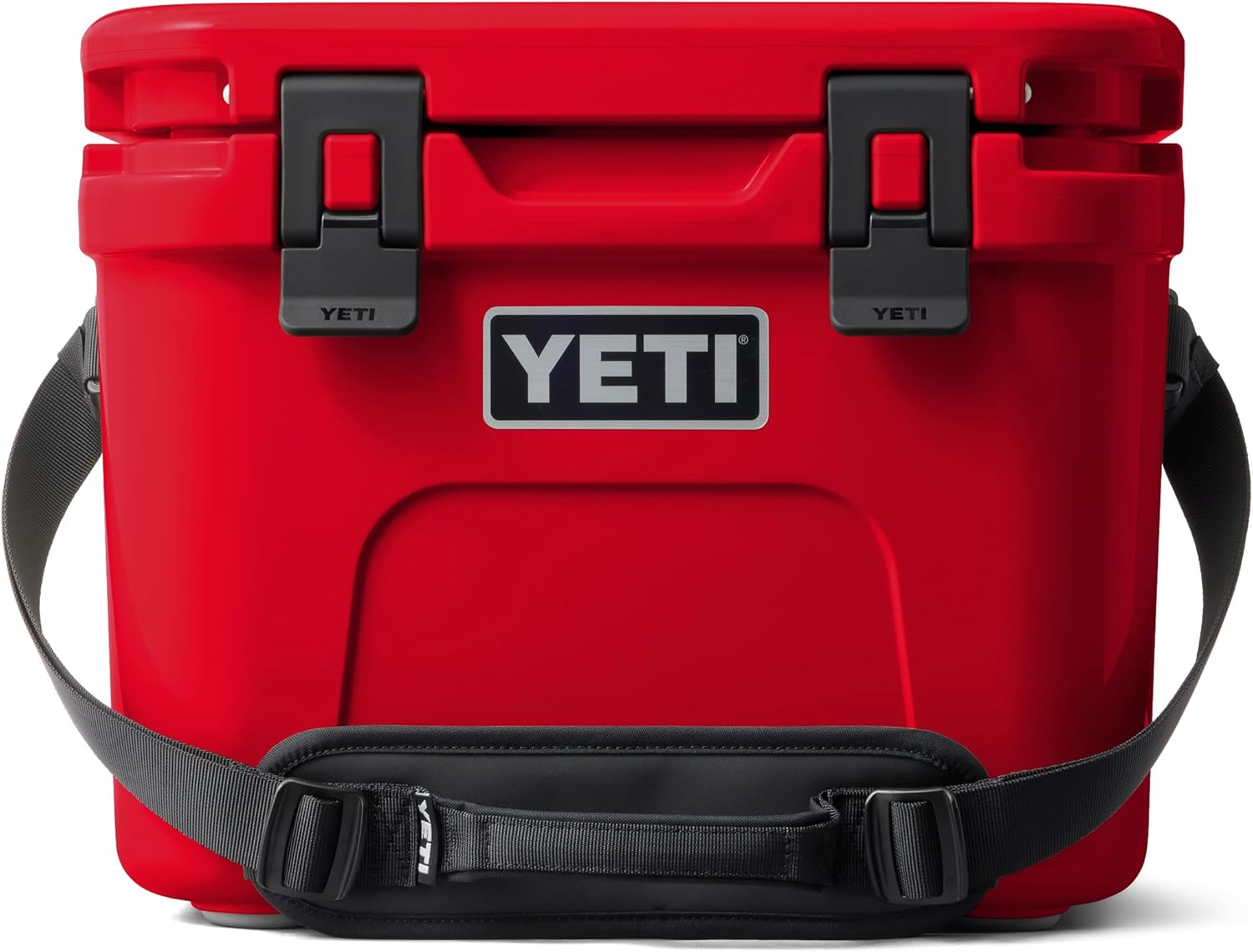
YETI Roadie 15 Hard Cooler with DoubleDuty Shoulder Strap
The most compact cooler in the YETI lineup. This small but mighty version of the classic Roadie Family still packs all your favorite essentials, cans, and wine bottles. Fits 22 cans (only) or 16 lbs of ice (only) Limited Offer: -
Buy on Amazon2. Additional Food Storage and Campsite Management Techniques
- Vehicle Storage: For items that don't fit in coolers, use your car trunk or a bear-resistant container if available. Hogs have difficulty accessing closed vehicles.
- Hang Food High: While not always hog-proof (they can jump and stand on hind legs), suspending food bags from high tree branches (at least 10-12 feet up) adds another layer of protection.
- Trash Management: Dispose of trash promptly in park dumpsters or use animal-proof bags. Double-bag waste and store it securely—hogs love garbage.
- Scent Control: Wipe down cooking areas thoroughly. Avoid strong-smelling foods if possible, or store them immediately after meals.
- Campsite Layout: Position your cooking and food storage area away from your sleeping tent. Create a "kitchen zone" at least 50-100 feet from sleeping areas.
3. Deterrents and Nighttime Precautions
Beyond physical barriers, use these additional tactics:
- Lights and Noise: Motion-activated lights, solar-powered repellents, or even a portable radio playing at low volume can deter hogs.
- Ammonia or Vinegar: Soak rags in these strong-smelling substances and place them around your perimeter (safely away from your tent).
- Stay Alert: Make noise when moving around at night. Travel in groups if possible. If you encounter hogs, back away slowly without turning your back.
- Dogs: Well-behaved leashed dogs can provide early warning, but never leave pets unattended.
Always follow park regulations. Feeding wildlife is prohibited and can result in fines.
Gear Checklist for Hog-Proof Camping at Garner
- Heavy-duty cooler (Yeti or RTIC, 45-65 qt recommended for families).
- Multiple heavy-duty tie-down straps or ratchet straps.
- Locking mechanisms or padlocks for coolers.
- Heavy-duty trash bags and scent-proof liners.
- Headlamp or flashlight with fresh batteries.
- First aid kit (in case of any wildlife encounter).
- Portable table or elevated storage platform.
Real Camper Experiences and Lessons Learned
Many Garner visitors share stories of hogs rummaging through campsites. One reviewer described large hogs appearing at night, drawn to unsecured coolers despite warnings. By switching to a locked Yeti cooler strapped down, subsequent trips were incident-free.
Another common theme: Preparation turns potential frustration into peace of mind. Campers who arrive with a plan enjoy the park's dances, swimming holes, and trails without worry.
Broader Texas Camping Safety Tips
Garner isn't the only spot with feral hogs. Similar precautions apply across Texas state parks. Combine these with general wildlife awareness:
- Check weather and park alerts before arrival.
- Practice Leave No Trace principles.
- Respect all wildlife-hogs are just one part of the ecosystem.
For more on feral hog biology and management, visit the TPWD website.
Planning Your Garner State Park Trip
Book campsites well in advance, especially during peak seasons like summer. Arrive early to choose a site that allows easy food storage and monitoring. Combine hog protection with fun activities: tubing the Frio River, hiking to the overlook, or joining evening dances.
By prioritizing food security with quality gear like heavy-duty coolers from Yeti or RTIC and tie-down straps, you'll protect your provisions and contribute to responsible park stewardship.
Conclusion: Enjoy Garner Safely and Responsibly
Protecting your campsite from feral hogs at Garner State Park doesn't require extreme measures—just smart planning and the right equipment. Focus on secure food storage, a clean camp, and awareness. With heavy-duty coolers featuring strong latches and reliable tie-downs, you can outsmart these clever invaders and fully enjoy everything this iconic Texas park has to offer.
Safe travels, happy camping, and remember: A prepared camper is a happy camper. For the latest park updates, check the official Texas Parks & Wildlife Department resources.
Thank you for reading this article about How to Protect Your Campsite from Feral Hogs at Garner State Park, hopefully this article useful for you. And if you liked this information, don't forget to tell your friends on Facebook, Twitter or Threads using social buttons below... Camping Garner State Park

0 comments:
Post a Comment